
Chronic pain and how art and mindfulness can help
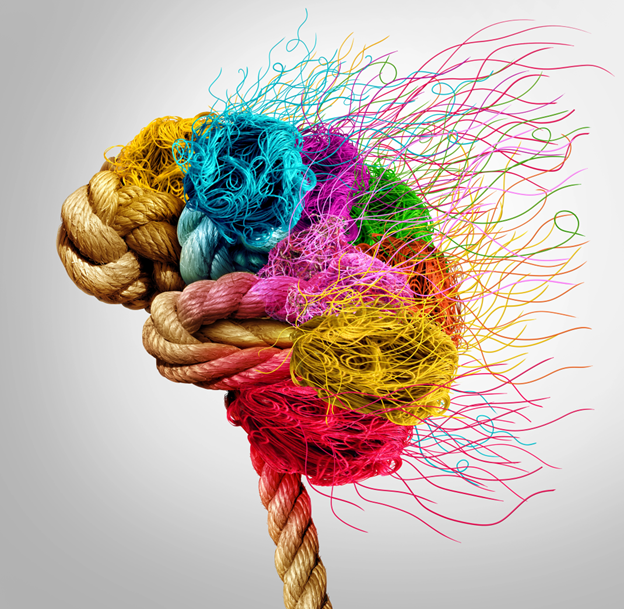
Living with chronic pain can feel like navigating an invisible maze, one that touches not only the body but also the mind, emotions, and sense of identity. In Canada, millions experience this reality every day.
by Meg NeufeldChronic pain is not merely a symptom; it’s a condition that reshapes lives, relationships, and communities. Fortunately, new approaches that combine science, creativity, and compassion, like art and mindfulness, are offering hope and healing.
More Than a Physical Sensation
Pain is the body’s alarm system, a way of signaling that something might be wrong. When you touch something hot, nerve endings send signals to your brain to protect you from harm. But not all pain follows this short-term pattern. Chronic pain persists long after an injury has healed, lasting three months or more, and sometimes without a clear cause at all. Over time, the brain and nervous system become hypersensitive, “stuck” in danger mode, continuing to send pain signals even in the absence of injury.
Unlike acute pain, which serves as a temporary warning, chronic pain becomes its own condition. It can appear as back pain, arthritis, fibromyalgia, migraines, or other invisible illnesses, changing in intensity and location from day to day. Living with it often means facing fatigue, brain fog, and emotional strain—all while trying to maintain work, family, and social responsibilities.
The Biopsychosocial Model: Seeing the Whole Person
For decades, medicine viewed pain purely as a physical issue. Today, research from Health Canada recognizes that pain is a biopsychosocial experience, meaning it involves three interconnected dimensions: biological, psychological, and social factors.
Biological – Physical processes such as nerve activity, illness, genetics, or past injuries.
Psychological – Emotional and mental states including stress, fear, and beliefs about pain.
Social – Environmental influences such as relationships, finances, and community support.
When one area becomes imbalanced, pain can worsen. Chronic stress or loneliness, for example, may heighten sensitivity to pain, while stigma can make it feel more isolating.
This model emphasizes that treating pain effectively requires addressing the whole person—body, mind, and environment.
Neuroplasticity: The Brain’s Capacity to Heal
The good news is that our brains are not static, they are adaptable and capable of change. This ability, known as neuroplasticity, allows the brain to rewire itself based on experience. While the brain can “learn” pain, it can also relearn calm and safety. Research in neuroscience shows that intentional activities like creative artmaking and mindfulness can strengthen new neural pathways that reduce pain perception.
When we engage multiple senses like touch, sight, and movement, our brains begin to associate new, positive experiences with relaxation and focus, helping the nervous system reset after prolonged periods of stress.
The Role of Art and Mindfulness in Pain Management
Programs like Pain in the Arts, developed by Alongside You and funded by Step Forward Health Society, use creativity and mindfulness to help participants retrain the brain and reduce the emotional burden of pain. The program combines evidence-based pain education, structured artmaking, and mindfulness techniques within a supportive, person-centered environment.
While it is not traditional talk therapy, Pain in the Arts provides an introduction to the factors around pain and guided mindfulness and art activities developed and facilitated by someone with lived experience, art expertise, and pain education designed to promote relaxation, emotional regulation, and social connection. Through education and creative expression, participants learn to reframe how they relate to their pain, transforming helplessness into empowerment.
Click through to learn how art and mindfulness — especially when practised together with others — can help someone with chronic pain:
-
Art and mindfulness encourage awareness of the present moment. When people immerse themselves in color, texture, or rhythm, their attention shifts from discomfort to curiosity. This process reduces pain intensity by redirecting the brain’s focus and calming the nervous system.
-
Chronic pain often carries emotional weight like anger, frustration, or grief, that may have no outlet. Studies have found that visual art and mindfulness can reduce stress hormones and support emotional release. By calming the nervous system and providing a safe and creative space for emotions, participants often describe feeling “lighter” and after expressing difficult experiences through art.
-
Both art and mindfulness stimulate the brain’s reward system, releasing dopamine and serotonin while lowering cortisol levels. This shift moves the body out of its “fight-or-flight” state into one of rest and restoration, easing anxiety and tension. These physiological responses are key in reducing the frequency and severity of pain flare-ups.
-
Living with chronic pain can make people feel powerless. Art-making restores a sense of control and creating something tangible, and—no matter how simple—offers proof of capability and resilience. Mindfulness helps quiet self-critical thought patterns by calming the Default Mode Network, the brain system responsible for rumination. Together, they help participants develop new, more compassionate narratives about themselves and their healing process.
-
Chronic pain can lead to social withdrawal, feelings of alienation and isolation. In group art-making environments, however, participants have the opportunity to share common experiences, laughter, and understanding. Social connection activates empathy and belonging circuits in the brain, improving resilience and mental health outcomes. According to Pain Canada, each person who participates in community programs like this indirectly benefits others in their lives, including caregivers and family members.
-
Art and mindfulness integrate sensory, and body and emotional awareness, helping participants rebuild trust with their bodies. Gentle movement and creative focus, such as ink painting or guided imagery, can reduce hypervigilance and fear of movement, supporting nervous system regulation. Over time, this fosters a healthier relationship between mind and body.
-
By combining creativity and mindfulness, people begin to move from a pain-centered existence toward a balanced and meaningful life. Through practices like gratitude journaling or kintsugi (the Japanese art of repairing pottery with gold), participants learn to reframe their pain as part of a broader story of growth and resilience. As Your Brain on Art notes, engaging with art can “transform not only how we feel but how we heal” .
Pain in the Arts: A Community-Based Approach That Works
Pain in the Arts follows the Canadian Pain Task Force (2021) recommendation to involve people with lived experience in all stages of program design, education, and advocacy. Each session focuses on a theme, from “Unmasking Pain,” using masks to explore identity, to “Body, Breath, and Ink,” which explores body awareness and breathing techniques to relieve stress and tension.
Thanks to fundraising through the Step Forward Health Society, Pain in the Arts is offered at no cost, ensuring accessibility for individuals facing financial barriers. The program bridges research, creativity, and compassion, proving that healing is most powerful when it engages the whole person.
Rewriting the Pain Story
When pain dominates life, it can feel like it defines who you are. Programs like Pain in the Arts help participants rewrite that story, transforming suffering into strength and isolation into connection. Through art and mindfulness, people discover that while pain may shape their experience, it does not have to define it.
Healing begins not only in clinics, but also in community spaces—one mindful brushstroke at a time.
Read more about Meg and her journey through art
ReferencesCarrière, Gisèle, Rochelle Garner, and Claudia Sanmartin. “Significant Factors Associated with Problematic Use of Opioid Pain Relief Medications Among the Household Population, Canada, 2018.” Health Reports: Quarterly Supplement, vol. 82-003-X, no. 2021012, Statistics Canada, 19 Jan. 2022.Gilmour, Heather. “Chronic Pain, Activity Restriction and Flourishing Mental Health.” Health Reports, vol. 26, no. 1, Statistics Canada, 27 Nov. 2015.Health Canada. Canadian Pain Task Force Report: An Action Plan for Pain in Canada. Government of Canada, 4 Mar. 2021.———. Canadian Pain Task Force: 2019 Report — Chronic Pain in Canada: Laying a Foundation for Action. Government of Canada, June 2019.Lynch, Lisa, et al. “Resilience and Art in Chronic Pain.” Arts & Health, vol. 5, no. 1, 2013, pp. 42–59.Magsamen, Susan, and Ivy Ross. Your Brain on Art: How the Arts Transform Us. Random House, 2023.Pain Canada. Pain Foundations: Course Outline. Module 3, “Living with Pain: Unit 6 — Moving Beyond Stigma,” Pain Canada, 2025.Vanner, Erin A., et al. “Active Visual Art Therapy for Chronic Pain: A Randomized Controlled Trial.” Arts & Health, vol. 8, no. 1, 2016, pp. 42–59.WHO Regional Office for Europe. What Is the Evidence on the Role of the Arts in Improving Health and Well-being? A Scoping Review. Health Evidence Network Synthesis Report 67, World Health Organization, 2019. https://www.who.int/europe/publications/i/item/9789289054553.