
Find your way back outside
Share this post with someone who might need it today. Then, if you can, help us make sure the help is there when they're ready.
There's a particular kind of quiet that settles over a room when someone's been inside too long. The blinds stay drawn. The days blur together. The world outside starts to feel like something happening to other people, somewhere else.
We're lucky, here in Delta where the outside is never far. The tide pulling in and out along the coast, the Fraser River moving steadily past, a handful of lakes, parks, and beaches tucked into the landscape a short drive from almost anywhere. Most days, we barely notice how much nature surrounds us.
But for someone struggling with anxiety, depression, grief, or burnout, that nearness doesn't always translate to access. Getting outside can feel like the simplest thing in the world, and also, somehow, completely out of reach.
Why outside helps
It isn't just a nice idea. Time outdoors has a real, physical effect on the nervous system. Natural light helps regulate mood and sleep. A short walk, even a few minutes sitting somewhere green or by water, rather than sitting inside with your thoughts, gives the mind somewhere else to go. And there's something about water, in particular—the sound of it, the movement of it—that seems to slow people down in a way that's hard to manufacture indoors.
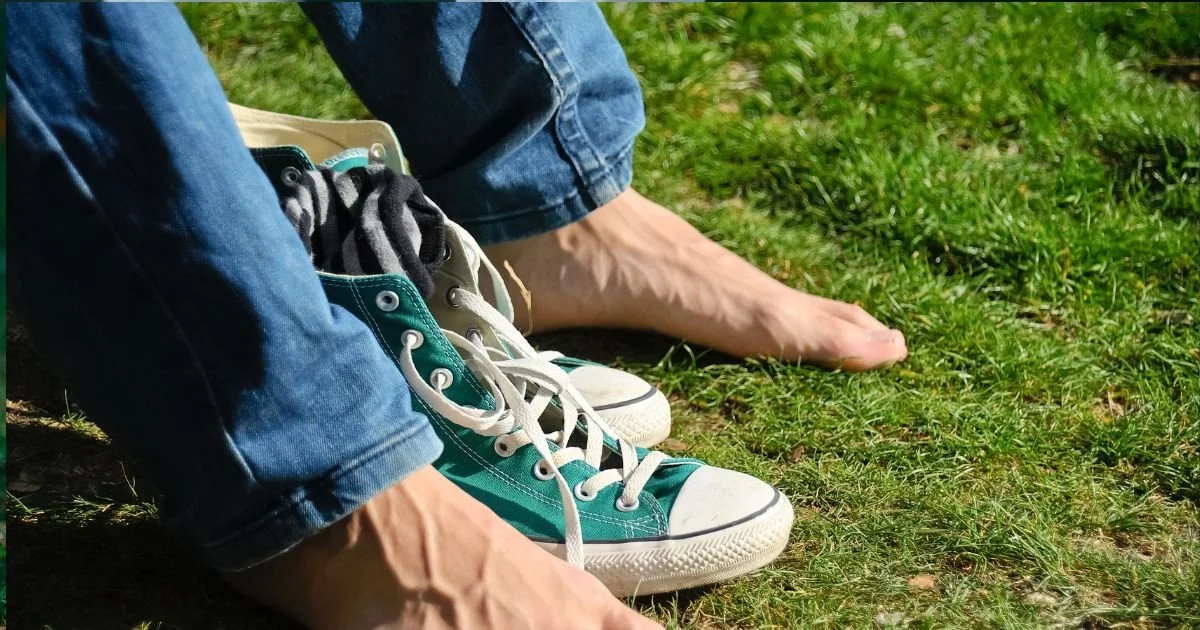
You don't need a hike or a plan or the right gear. Sometimes it's standing at the edge of the river and watching it move. Sometimes it's ten minutes with your shoes in the sand. Sometimes it's just choosing the long way home, past the park instead of straight down the road.
None of that fixes everything. But it opens a door. A small, physical reminder that the world is still out there, and still holds room for you in it.
When the door feels too heavy to open
For a lot of people, though, that first step outside is the hardest one there is. Depression and anxiety have a way of making the world feel very far away, and very hard to reach. Even when it's just beyond the front door.
That's often where professional support makes the difference. A good counsellor can help someone find their way back to the door, back outside, back into their own life. One session, one small step at a time.
The trouble is, that kind of support isn't cheap. Professional counselling runs $150 to $250+ an hour, and for a lot of people already struggling, that cost puts help entirely out of reach — right when they need it most.
How we help people find their way back outside
Our Step Forward program subsidizes counselling for people in our community who couldn't otherwise afford it. It exists so that money is never the reason someone stays inside, stays stuck, stays alone with something too heavy to carry by themselves.
This week, if you can, take a walk by the water—river, lake, or coast, whichever is closest. Notice what it does for you. Then consider helping make sure that same simple relief is within reach for someone in our community who needs a hand finding their way back outside.
Send this article to someone who might need it today. Then, if you can, help us make sure the help is there when they're ready.
Healing, like most things worth doing, rarely happens all at once. It happens step by step, session by session, walk by walk—which is exactly why monthly giving matters so much to programs like this one. A single gift helps for a moment. A monthly gift helps keep the door open, consistently, for as long as someone needs it.